Mechanical Seal Buyers Guide: Key Specs for Procurement
A mechanical seal is a rotating shaft sealing device that prevents fluid leaks in pumps and compressors. Procurement requires matching seal specifications to service conditions. Buyers must evaluate face materials, spring types, shaft sleeves, and elastomer compatibility to ensure reliable long-term performance.
- Match seal face materials to fluid chemistry, temperature, and particle content to prevent premature erosion or chemical attack.
- Verify shaft sleeve tolerances and surface finish to avoid secondary seals leaking at the gland area.
- Confirm elastomer compatibility with the pumped medium to prevent swelling, hardening, or chemical degradation.
- Define acceptance criteria for installation and commissioning to catch alignment and torque errors before startup.
- Request material certifications and test records with every order to verify compliance with stated specifications.
A mechanical seal is a rotating shaft sealing device used in pumps, compressors, and agitators to keep process fluid from leaking past the rotating shaft. Unlike static packing, it uses two rotating or counter-rotating faces to create a near-zero clearance seal. The faces are held by a spring or bellows mechanism that maintains contact under load. When fluid enters the seal cavity, it forms a thin film between the faces and escapes through a flush port. The seal performs best when the selected parts match the actual service conditions.
What are the core components of a mechanical seal?
A standard single mechanical seal contains five main parts. The first is the stationary face, which sits in the seal housing. The second is the rotating face, which is attached to the shaft. The third is the spring assembly, which applies the clamping force. The fourth is the primary and secondary elastomer O-rings, which seal the gland area. The fifth is the shaft sleeve, which protects the shaft surface.
The faces are the most critical parts. They are the working surfaces that carry the fluid film. If the faces wear unevenly, the seal fails. The spring maintains the normal load between the faces. A weak spring lets the faces separate, causing dry running and rapid wear. A strong spring increases friction and heat. The elastomers must resist the pumped fluid and the temperature. A shaft sleeve is often used to protect the shaft from abrasion and cavitation. Without it, the rotating face may scrape the shaft and damage the seal.
Which face materials should you select for your service?
Face material selection is the first decision in pump seal selection. The faces must resist wear, erosion, and chemical attack. The two main groups are hard-on-hard and soft-on-soft. Hard-on-hard designs use carbide faces. They are durable and handle abrasive fluids. They handle high temperatures and solid particles well. Soft-on-soft designs use carbon or graphite faces. They are self-lubricating and handle low-pressure services. They are less tolerant of abrasive particles and high temperatures.
Carbide faces are good for abrasive slurries. They handle mineral sands, coal slurry, and other solids-laden fluids. They are also good for high-temperature services. Carbon faces are good for clean, non-abrasive fluids. They handle water, oil, and light chemical services. They are cheaper and easier to maintain. However, they are not good for abrasive fluids. They erode quickly. Graphite faces are a middle ground. They are more wear-resistant than pure carbon. They handle moderate temperatures and some abrasion. They are a good choice for chemical services.
The choice depends on the fluid. If the fluid has solids, use hard faces. If the fluid is clean and the temperature is low, use soft faces. If the fluid is chemical, check compatibility. Some chemicals attack carbon. Some attack graphite. Always verify compatibility with the supplier.
How do you evaluate seal specifications for pressure and temperature?
Seal specifications must match the operating limits of the pump. Pressure affects the seal spring load and face pressure. High pressure requires a stronger spring. It also requires a larger face area to distribute the load. Temperature affects the elastomers and the face materials. High temperature can soften elastomers. It can also change the fluid viscosity. Low temperature can make elastomers brittle. It can cause cracking.
The seal must be rated for the maximum pressure and temperature. It must also handle the minimum temperature. A seal rated for 200 degrees Celsius is not the same as one rated for 100 degrees Celsius. The elastomer may be different. The face material may be different. The spring may be different. Always check the datasheet. Do not assume a seal is compatible because it looks similar.
What role do elastomers play in seal performance?
The elastomer O-rings seal the gland area. They keep the seal fluid from leaking past the seal. They also keep the seal from leaking into the process. The elastomer must match the pumped fluid. If the fluid is aggressive, the elastomer may swell. If it swells, it leaks. If the fluid is dry, the elastomer may harden. If it hardens, it cracks.
There are several common elastomers. Viton is good for oils and chemicals. It is not good for amines or some ketones. Nitrile rubber is good for water and oils. It is not good for ketones or esters. Fluorocarbon is good for many aggressive chemicals. It is expensive. PTFE is good for many chemicals. It is not elastic. It is used as a backup seal. Always check the compatibility chart. Do not guess. A wrong elastomer choice is a common cause of seal failure.
How do you match the seal to the pump?
Pump seal selection depends on the pump type. A centrifugal pump has a different shaft speed than a positive displacement pump. A centrifugal pump may run at 1750 RPM. A positive displacement pump may run at 500 RPM. The speed affects the face velocity. High speed creates heat. Low speed may not create enough fluid film. The seal must be designed for the speed.
The pump also has a specific seal chamber. The seal must fit the chamber. The gland diameter must match. The seal length must match. The shaft diameter must match. If the seal does not fit, it will leak. It will also wear quickly. Always provide the pump drawing. Do not order a seal without the drawing. The supplier needs the dimensions to make the seal.
What documentation should you request with the order?
When you purchase a mechanical seal, you need documentation. You need the datasheet. It lists the materials, dimensions, and operating limits. You need the material certificates. They prove the face material and elastomer. You need the test records. They prove the seal passed the pressure test. You need the installation instructions. They tell you how to install the seal.
The datasheet is the most important document. It lists the face material, elastomer, spring, and shaft sleeve. It lists the pressure and temperature limits. It lists the speed limit. It lists the flush requirement. Read it carefully. If the datasheet does not match your service, do not buy the seal. Ask the supplier for a different part.
How do you verify the seal after installation?
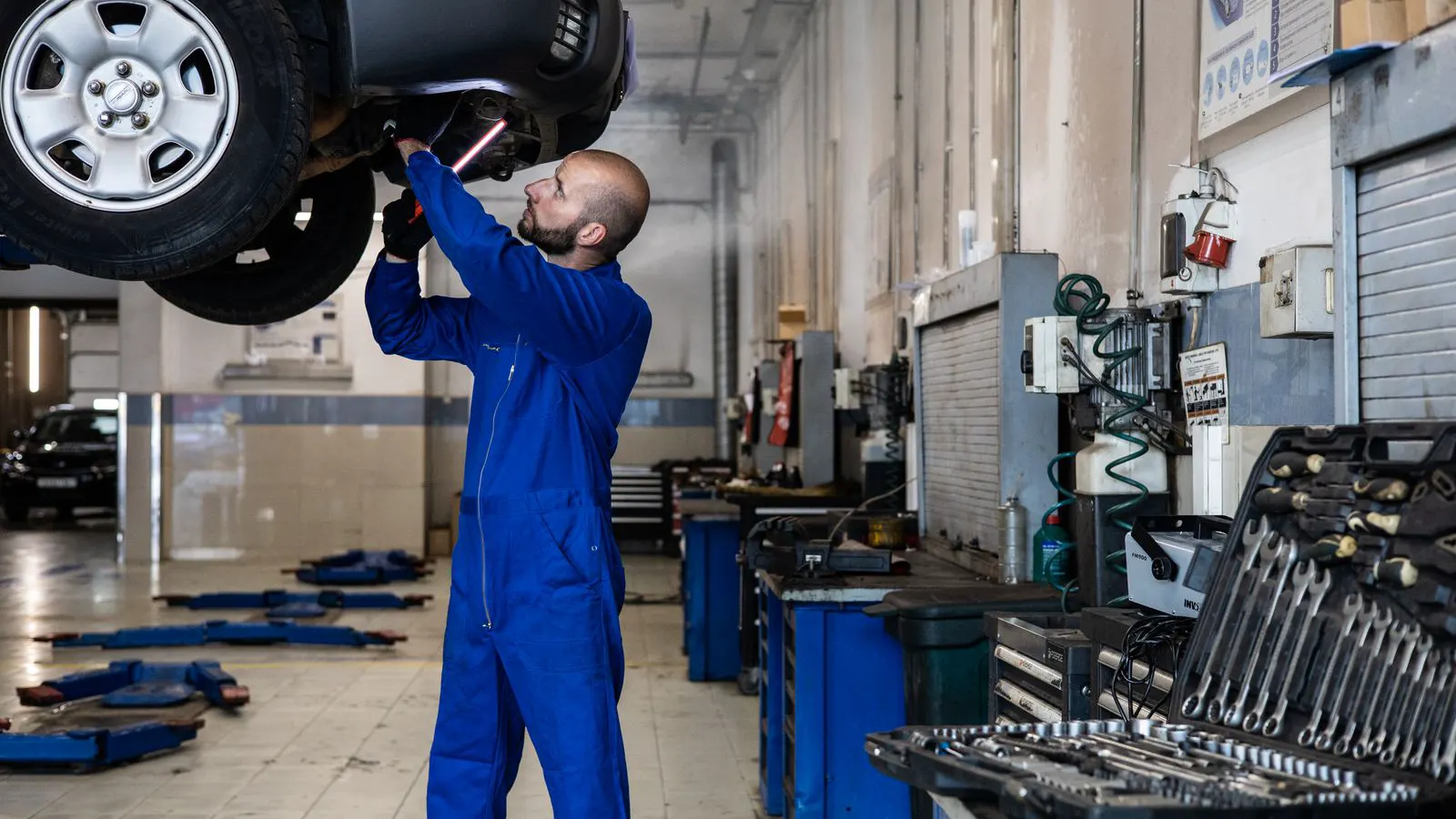
Installation is where most seals fail. The seal must be installed correctly. The shaft must be straight. The housing must be flat. The O-rings must be lubricated. The spring must be seated. If the shaft is bent, the faces will not contact evenly. If the housing is warped, the seal will leak. If the O-rings are not lubricated, they will tear. If the spring is not seated, the seal will leak.
After installation, run the pump. Check the temperature. A cold seal is fine. A hot seal is a problem. Check the pressure. A pressure drop is a problem. Check the flush. If the flush is blocked, the seal will overheat. Use a mechanical seal installation checklist for pump maintenance to verify each step. If the seal fails, take it apart. Look at the faces. Look at the elastomers. Look at the spring. The damage tells you why it failed.
| Criterion | What to look for | Why it matters |
|---|---|---|
| Face material | Carbide, carbon, or graphite based on fluid and temperature | Prevents erosion, chemical attack, and excessive wear |
| Elastomer type | Viton, nitrile, or fluorocarbon based on fluid compatibility | Prevents swelling, cracking, and gland leaks |
| Spring type | Constant force or bellows based on service conditions | Maintains even face contact and prevents dry running |
| Shaft sleeve | Material and fit to shaft diameter | Protects shaft from abrasion and cavitation |
| Operating limits | Pressure, temperature, and speed ratings | Ensures the seal can handle the actual service |
Frequently asked questions
What is the most common cause of mechanical seal failure?
Misalignment during installation is the most common cause. If the shaft is bent or the housing is warped, the faces wear unevenly and fail quickly.
Can I use a generic mechanical seal for any pump?
No. Each pump has a specific seal chamber and shaft diameter. The seal must match the pump drawing. A generic seal will likely leak or wear quickly.
How do I know if the face material is wrong for my fluid?
Check the compatibility chart. If the fluid is abrasive, use hard faces. If the fluid is chemical, check the elastomer and face compatibility. When in doubt, ask the supplier.
What should I do if the seal leaks after installation?
Check the installation. Look for bent shafts, warped housings, and damaged O-rings. If the faces are damaged, replace the seal. Do not just tighten the gland.
Do I need to replace the shaft sleeve with the seal?
Only if the shaft sleeve is worn or damaged. If the sleeve is in good condition, you can reuse it. If it is pitted or corroded, replace it.