Gasket Materials
Graphite vs PTFE Gasket Lead Times for Projects
Graphite and PTFE gaskets have different cost structures and supply chain lead times. This guide explains what drives gasket cost, how to compare quotes fairly, and how
Compare gasket materials and their suitability for pressure, temperature, and chemical exposure in industrial systems.
Graphite and PTFE gaskets have different cost structures and supply chain lead times. This guide explains what drives gasket cost, how to compare quotes fairly, and how
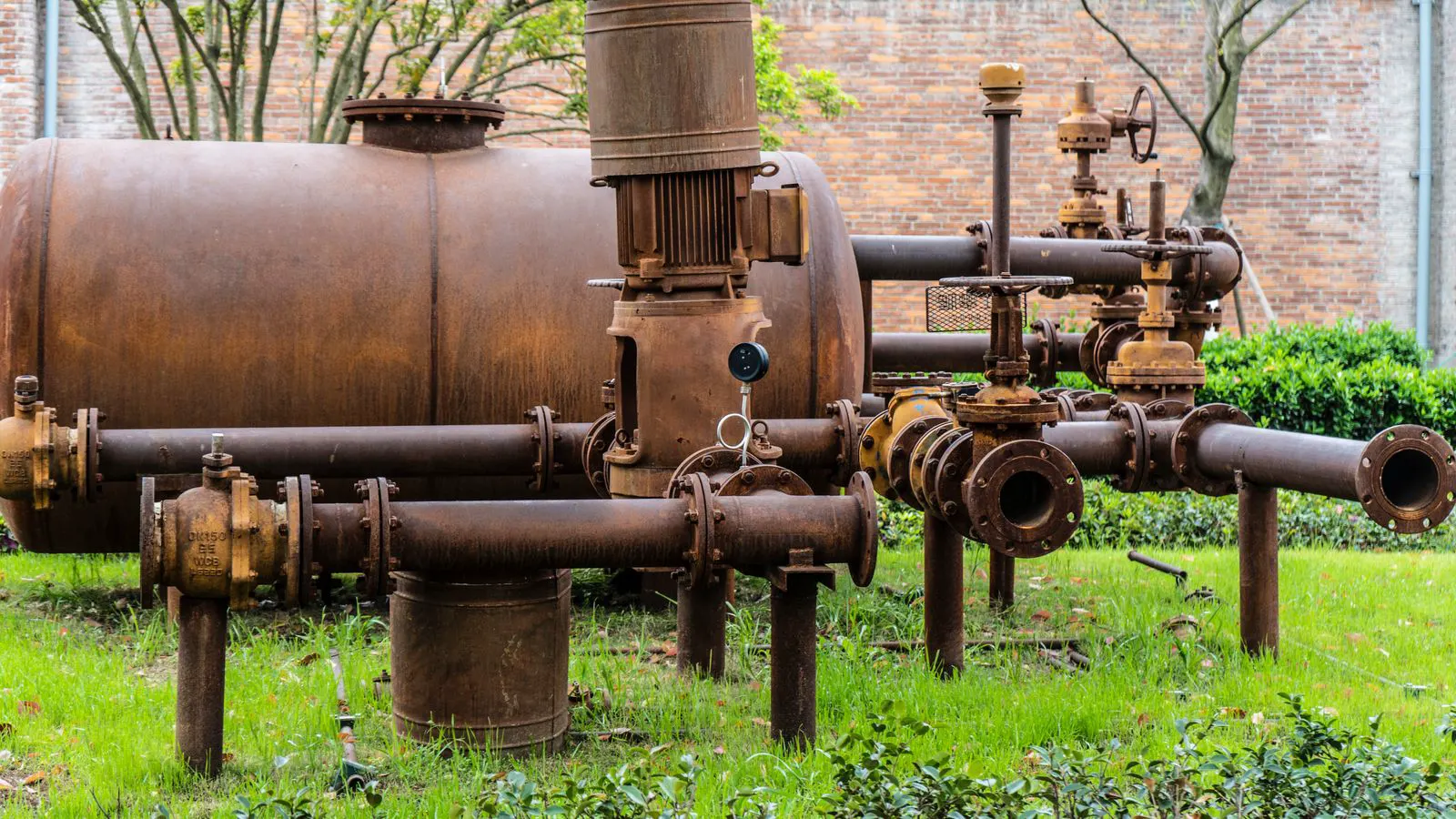
Gasket selection requires matching material properties to specific pressure, temperature, and chemical limits. This guide outlines a step-by-step method to verify flange
Gasket compatibility determines whether a sealing material survives its chemical environment. Material composition, temperature, and pressure define the selection. The
Gasket selection for fluctuating temperatures requires checking material temperature limits, thermal cycling resistance, and compression set. This audit checklist

Proper flange bolting requires following the specific torque sequence and value for your gasket type. Apply torque in a star pattern to ensure even clamping force, which
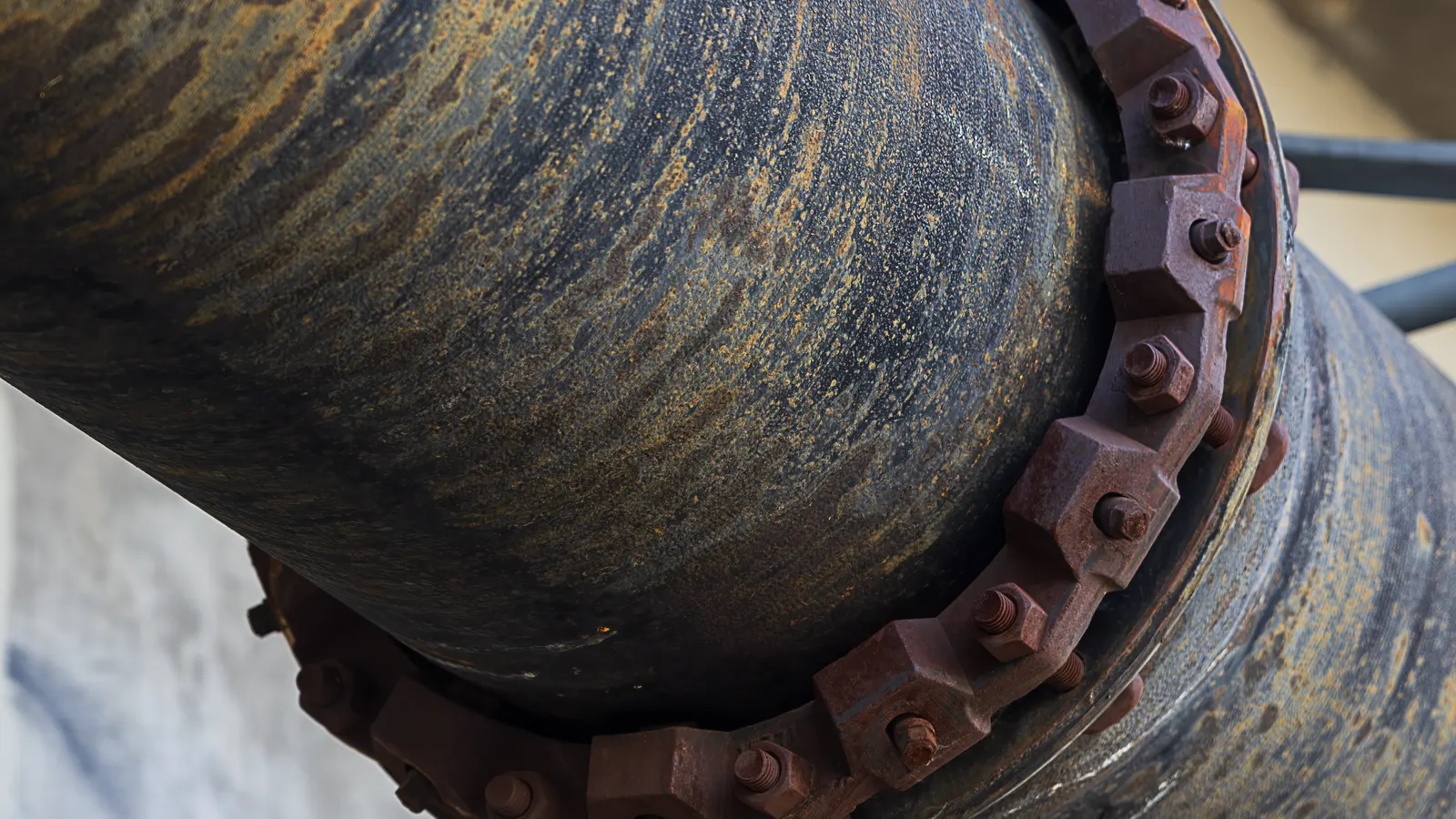
To select the correct spiral wrap gaskets for chemical exposure, match the core material to the specific fluid chemistry. Check the core against compatibility charts
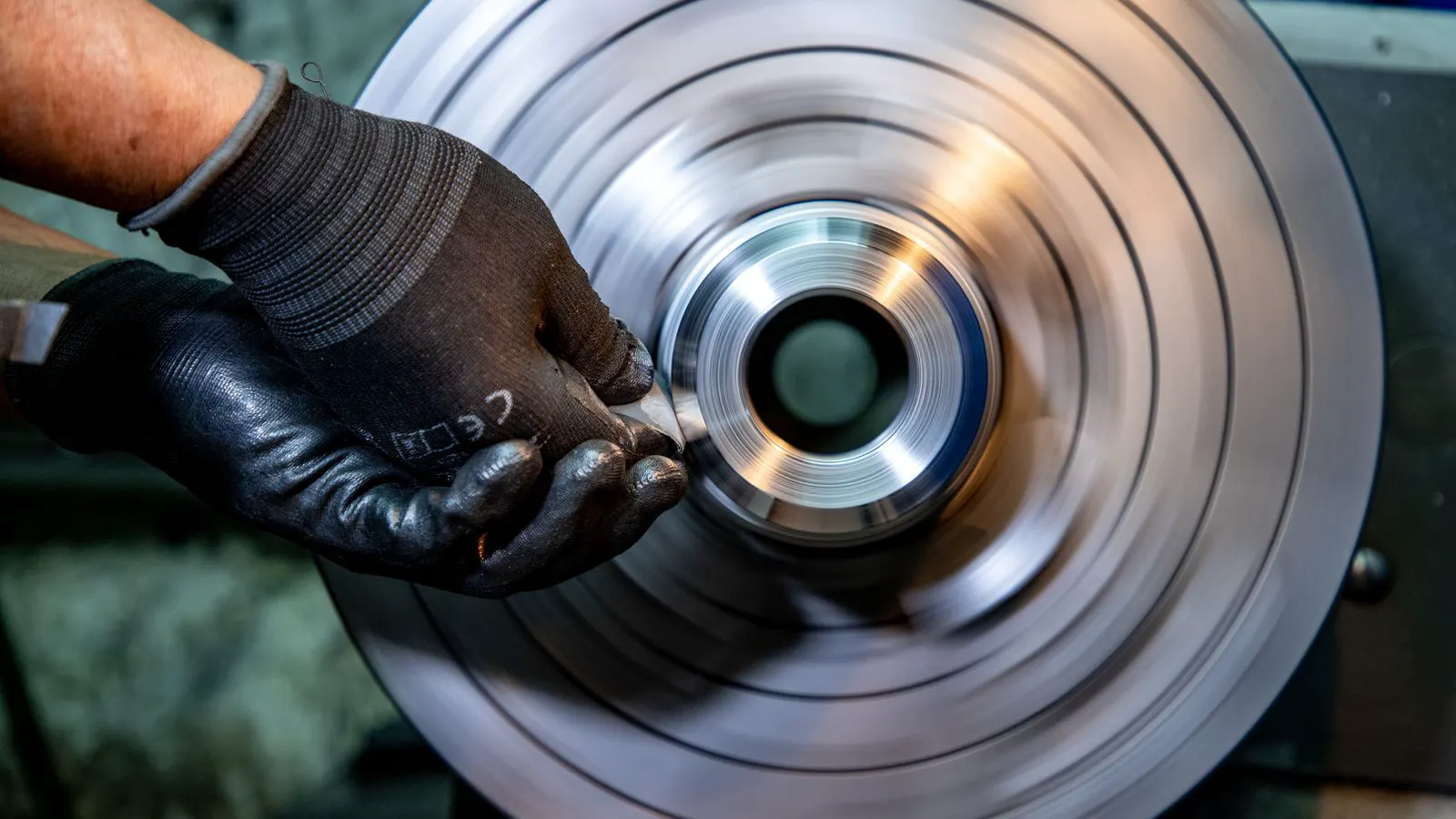
Metal gaskets handle extreme heat and high pressure, while non-metal options offer lower cost and chemical resistance. The best choice depends on the specific
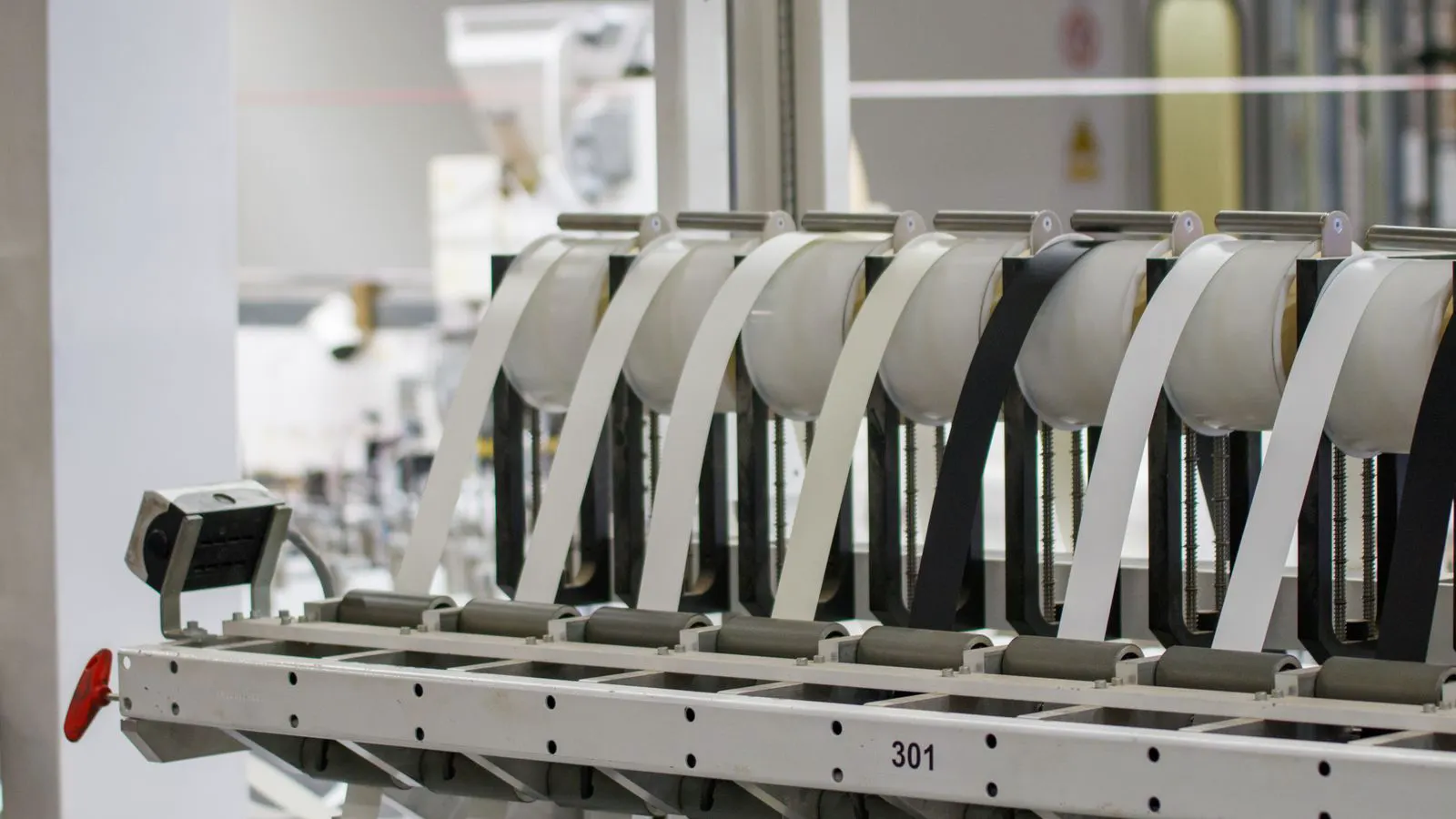
Flexible graphite gaskets are moving toward higher temperature stability, better chemical resistance, and smarter supply chains. Buyers should plan for material
Gasket cost depends on material choice, size, temperature rating, and supplier stock. PTFE is usually cheaper but has lower heat limits. Graphite costs more but handles
Gasket failure in high-pressure flanges is rarely caused by a single factor. Most leaks stem from incorrect material selection, improper installation, or mechanical